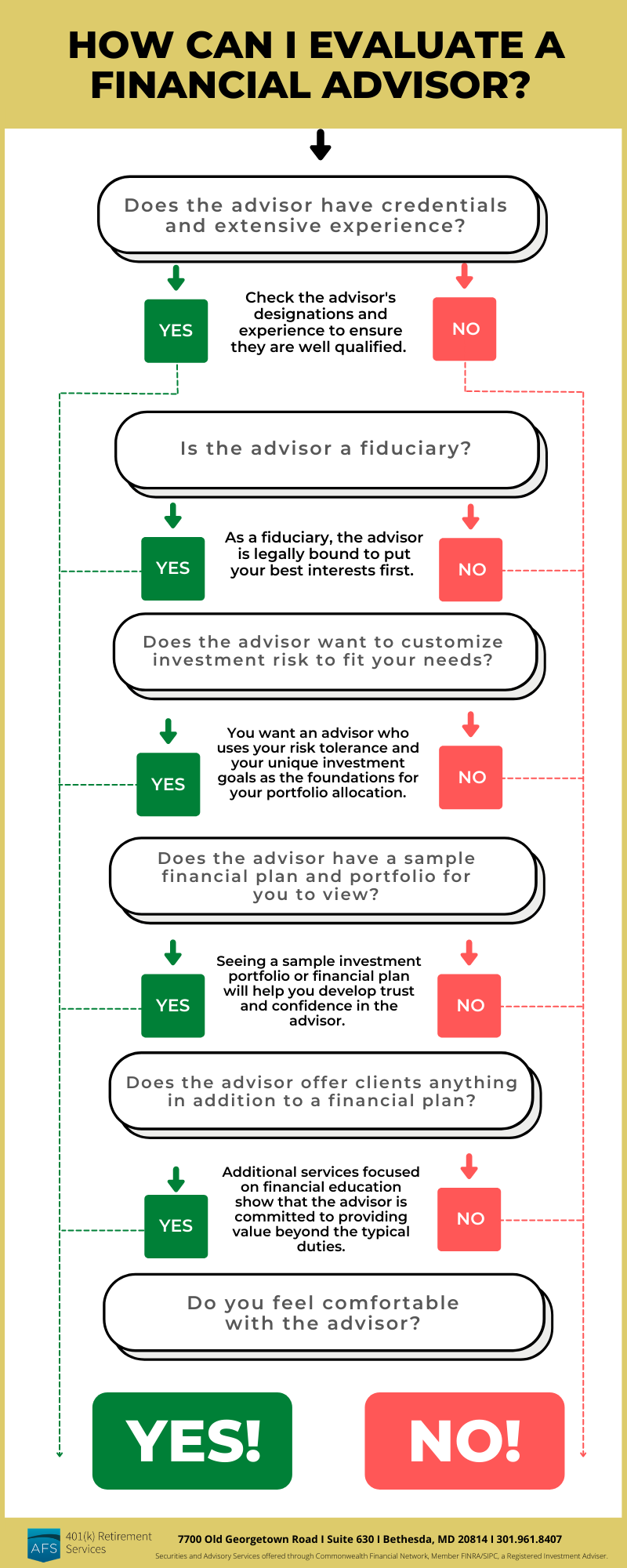
Investing means purchasing assets that will appreciate in value over time. You can choose to invest in stocks, bonds, or real estate. This is done often to increase your savings and make more money. Additionally, investing can help to protect your savings from inflation. In addition, investing can help you save interest in a bank account. Investing is different from saving, which involves setting money aside for a specific period of time.
Value investing is an investment strategy that involves purchasing stocks that are low in value. Value investors examine a company’s financial history, its business model, and its revenues. A value investor may also examine a company's cash flow to see if it is outperforming the market. If the company is undervalued, then it may have the potential to be bought at a discount, which could result in significant capital gains.
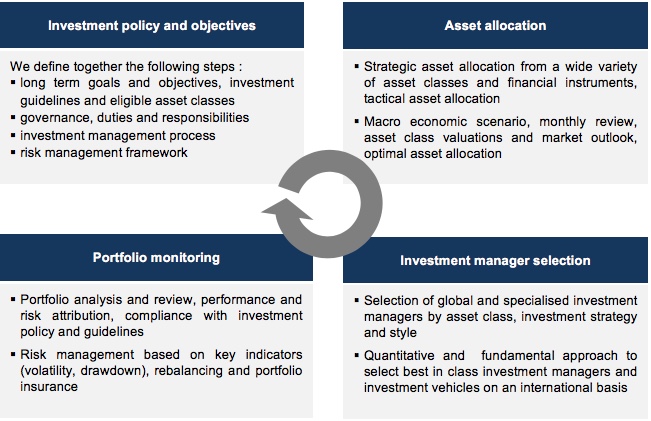
A value investor looks for companies that have long-term potential, low risks and high profitability. Investors may also look at a company's financial capacity and whether the company will generate revenues over the next few years. You can also invest through an exchange-traded funds (ETF), mutual funds, or fixed-income index. Indexing has many advantages, including lower fees and greater diversification. An index can be used to invest without the need for a stock picking strategy.
Bonds are loans issued by corporations or governments. They can generate income and have higher interest rates that savings accounts. Bonds are often part of a managed portfolio. However, they can also be purchased through a brokerage company or a trading platform. Bonds are safer than stocks which are more volatile.
Stocks can be thought of as small shares in a company. Stocks can appreciate in value when a company launches new products. However, they are also more volatile and can be subject to wild price swings. You should diversify your portfolio to reduce the risk of losing everything in case one investment doesn't perform. It is important to follow a plan, and not to rely on your personal opinions.
There are two types: passive and active investing. To pick winners, active investors purchase and sell assets. Passive investors tend have a more diverse portfolio. They are also known to rebalance as needed. Activist Investors, on the contrary, demand specific interventions from companies in order to increase revenue or decrease operational costs.

There are several types of investments, but the most common are stocks and bonds. You can purchase bonds either through your broker and through the government. Real estate is another type of investment that can help diversify your portfolio. It is often difficult to sell real estate, so investing in it could spread the risk. However, there are risks involved in investing in real property. This is why you should only consider it if you are willing to take that risk.
FAQ
What is the difference between passive income and active income?
Passive income is when you make money without having to do any work. Active income requires effort and hard work.
Active income is when you create value for someone else. It is when someone buys a product or service you have created. This could include selling products online or creating ebooks.
Passive income is great because it allows you to focus on more important things while still making money. However, most people don't like working for themselves. They choose to make passive income and invest their time and energy.
Problem is, passive income won't last forever. If you hold off too long in generating passive income, you may run out of cash.
You also run the risk of burning out if you spend too much time trying to generate passive income. Start now. If you wait too long to begin building passive income you will likely miss out on potential opportunities to maximize earnings.
There are three types of passive income streams:
-
Businesses - these include owning a franchise, starting a blog, becoming a freelancer, and renting out the property such as real estate
-
Investments - these include stocks and bonds, mutual funds, and ETFs
-
Real Estate: This covers buying land, renting out properties, flipping houses and investing into commercial real estate.
How does rich people make passive income from their wealth?
There are two ways you can make money online. One is to create great products/services that people love. This is called "earning” money.
Another way is to create value for others and not spend time creating products. This is called "passive" income.
Let's suppose you have an app company. Your job involves developing apps. But instead of selling them directly to users, you decide to give them away for free. This business model is great because it does not depend on paying users. Instead, you can rely on advertising revenue.
Customers may be charged monthly fees in order to sustain your business while you are building it.
This is how most successful internet entrepreneurs earn money today. They focus on providing value to others, rather than making stuff.
What is the limit of debt?
There is no such thing as too much cash. Spending more than you earn will eventually lead to cash shortages. Savings take time to grow. When you run out of money, reduce your spending.
But how much should you live with? There is no universal number. However, the rule of thumb is that you should live within 10%. That way, you won't go broke even after years of saving.
This means that even if you make $10,000 per year, you should not spend more then $1,000 each month. You should not spend more than $2,000 a month if you have $20,000 in annual income. For $50,000 you can spend no more than $5,000 each month.
The key here is to pay off debts as quickly as possible. This includes student loans, credit cards, car payments, and student loans. You'll be able to save more money once these are paid off.
It would be best if you also considered whether or not you want to invest any of your surplus income. If you choose to invest your money in bonds or stocks, you may lose it if the stock exchange falls. But if you choose to put it into a savings account, you can expect interest to compound over time.
Let's take, for example, $100 per week that you have set aside to save. It would add up towards $500 over five-years. In six years you'd have $1000 saved. You would have $3,000 in your bank account within eight years. When you turn ten, you will have almost $13,000 in savings.
In fifteen years you will have $40,000 saved in your savings. That's pretty impressive. But if you had put the same amount into the stock market over the same time period, you would have earned interest. Instead of $40,000 in savings, you would have more than 57,000.
It is important to know how to manage your money effectively. A poor financial management system can lead to you spending more than you intended.
Why is personal finances important?
If you want to be successful, personal financial management is a must-have skill. We live in a world where money is tight, and we often have to make difficult decisions about how to spend our hard-earned cash.
Why do we delay saving money? Is it not better to use our time or energy on something else?
Yes and no. Yes because most people feel guilty about saving money. It's not true, as more money means more opportunities to invest.
As long as you keep yourself focused on the bigger picture, you'll always be able to justify spending your money wisely.
You must learn to control your emotions in order to be financially successful. You won't be able to see the positive aspects of your situation and will have no support from others.
Your expectations regarding how much money you'll eventually accumulate may be unrealistic. You don't know how to properly manage your finances.
These skills will prepare you for the next step: budgeting.
Budgeting is the practice of setting aside some of your monthly income for future expenses. Planning will allow you to avoid buying unnecessary items and provide sufficient funds to pay your bills.
So now that you know how to allocate your resources effectively, you can begin to look forward to a brighter financial future.
What is personal financial planning?
Personal finance refers to managing your finances in order to achieve your personal and professional goals. This includes understanding where your money is going and knowing how much you can afford. It also involves balancing what you want against what your needs are.
These skills will allow you to become financially independent. This means that you won't have to rely on others for your financial needs. You're free from worrying about paying rent, utilities, and other bills every month.
And learning how to manage your money doesn't just help you get ahead. You'll be happier all around. You will feel happier about your finances and be more satisfied with your life.
Who cares about personal finance anyway? Everyone does! Personal finance is the most popular topic on the Internet. Google Trends reports that the number of searches for "personal financial" has increased by 1,600% since 2004.
Today's smartphone users use their phones to compare prices, track budgets and build wealth. They read blogs like this one, watch videos about personal finance on YouTube, and listen to podcasts about investing.
Bankrate.com says that Americans spend on the average of four hours per day watching TV and listening to music. They also spend time surfing the Web, reading books, or talking with their friends. Only two hours are left each day to do the rest of what is important.
You'll be able take advantage of your time when you understand personal finance.
What are the most profitable side hustles in 2022?
It is best to create value for others in order to make money. This will bring you the most money if done well.
Even though you may not realise it right now, you have been creating value since the beginning. You sucked your mommy’s breast milk as a baby and she gave life to you. You made your life easier by learning to walk.
You'll continue to make more if you give back to the people around you. In fact, the more you give, the more you'll receive.
Value creation is a powerful force that everyone uses every day without even knowing it. You're creating value all day long, whether you're making dinner for your family or taking your children to school.
Today, Earth is home for nearly 7 million people. That's almost 7 billion people on Earth right now. This means that each person creates a remarkable amount of value every single day. Even if you create only $1 per hour of value, you would be creating $7,000,000 a year.
This means that you would earn $700,000.000 more a year if you could find ten different ways to add $100 each week to someone's lives. Imagine that you'd be earning more than you do now working full time.
Now let's pretend you wanted that to be doubled. Let's say you found 20 ways to add $200 to someone's life per month. You'd not only earn an additional $14.4 million annually but also be incredibly rich.
Every day offers millions of opportunities to add value. This includes selling products, services, ideas, and information.
Even though we focus a lot on careers, income streams, and jobs, these are only tools that can help us achieve our goals. Helping others to achieve their goals is the ultimate goal.
You can get ahead if you focus on creating value. Use my guide How to create value and get paid for it.
Statistics
- According to a June 2022 NerdWallet survey conducted online by The Harris Poll. (nerdwallet.com)
- According to the company's website, people often earn $25 to $45 daily. (nerdwallet.com)
- Shares of Six Flags Entertainment Corp. dove 4.7% in premarket trading Thursday, after the theme park operator reported third-quarter profit and r... (marketwatch.com)
- These websites say they will pay you up to 92% of the card's value. (nerdwallet.com)
- U.S. stocks could rally another 25% now that Fed no longer has ‘back against the wall' in inflation fight (marketwatch.com)
External Links
How To
For cash flow improvement, passive income ideas
You don't have to work hard to make money online. Instead, there are passive income options that you can use from home.
Automating your business could be a benefit to an already existing company. Automating parts of your business workflow could help you save time, increase productivity, and even make it easier to start one.
Automating your business is a great way to increase its efficiency. This allows you to spend more time growing your business than managing it.
Outsourcing tasks is an excellent way to automate them. Outsourcing allows you and your company to concentrate on what is most important. Outsourcing a task is effectively delegating it.
This allows you to focus on the essential aspects of your business, while having someone else take care of the details. Outsourcing helps you grow your business by removing the need to manage the small details.
Another option is to turn your hobby into a side hustle. Another way to make extra money is to use your talents and create a product that can be sold online.
For example, if you enjoy writing, why not write articles? There are many places where you can post your articles. These websites pay per article, allowing you to earn extra monthly cash.
Making videos is also possible. Many platforms enable you to upload videos directly onto YouTube or Vimeo. Posting these videos will increase traffic to your social media pages and website.
Investing in stocks and shares is another way to make money. Investing stocks and shares is similar investment to real estate. However, instead of paying rent, you are paid dividends.
You receive shares as part of your dividend, when you buy shares. The amount of your dividend will depend on how much stock is purchased.
You can reinvest your profits in buying more shares if you decide to sell your shares. This way you'll continue to be paid dividends.